Black and White Photography Basics
Most modern photographers, even those of the purely amateur variety, understand how important it is to use color and lighting effectively in a photograph.
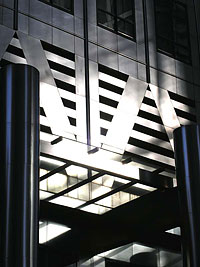
What most people do not realize is that some incredible results can be created using the grayscale or black and white settings found on almost every advanced digital camera. Consider the dramatic effects of contrast in the black and white setting ? this is not limited to just the two extremes however (i.e. pure black or pure white); it also includes every possible shade of gray as well. Paying attention to a scene, without considering any significance of color, can really train a photographer?s eye. Lighting can play a powerful role in black and white photography, especially where side lighting and shadows become elements or even subjects of the photograph themselves. Lighting can also be put to use in black and white photography by employing it to add contrast or strength to textures, shapes and patterns. Black and white photography techniques Another important thing to remember about black and white photography is that it can be used artistically, and to create immediate impact. Consider that most people automatically associate a level of ?timelessness? to any black and white image. This is because it is not immediately apparent that the subject is a contemporary one. This means that it sets a mood almost instantly, and it also focuses the eye of the viewer on the subject without any real distraction from color. The significance of this can be seen in the many portraits, both formal and informal, that are now being done in black and white as well as all of the official wedding photography that is done with a total absence of color as well. While most of the modern digital cameras come with full color, black and white, grayscale and even sepia tone modes, most professionals prefer to shoot in the RAW format instead. This is because the file retains all of the true tonal values, which can then be more accurately converted to a black and white format. If a camera does not have the RAW setting, the black and white mode can still produce remarkable results. Black and white landscape photography When shooting black and white landscape photography try to fill your frame with powerful stormy skies, which makes a great composition. Black and white landscape photography relies heavily on contrast that only skies can provide. Look for rocky landscapes, stormy skies and dramatic composition. The trick to great black and white photography is in paying attention to some details not required of color imagery ? this includes the interplay of light and dark, the textures of everything in the scene and the power or balance that can be created by heavy shadows or brilliant lighting ? and basically anything that will be made more dramatic by the total absence of natural color. Amy. Editors note: Amy not only regularly contributes to this site, but also publishes a very highly regarded monthly digital photography eZine ? packed with powerful photography secrets and accompanied by video tutorials. Highly Recommended! |
Comments for Black and White Photography Basics
|
||
|
||
|
||
|
Click here to add your own comments Join in and write your own page! It's easy to do. How? Simply click here to return to Articles. |

My son (that's him below) loves F1. He's started his own YouTube channel and would love it if you could take a look at one or two of his videos.
Or, if it hurts your ears as much as it does mine, pass the link on to someone who'll really appreciate it.
Or, if it hurts your ears as much as it does mine, pass the link on to someone who'll really appreciate it.
(probably someone a lot younger than I am!)
 Get help using your camera with the complete Digital SLR Guide |